Automotive Production Solutions
The Automotive Production plant and associated ventilation systems pose a very challenging environment as far as Air Filtration systems are concerned. When we consider a production plant, there will be lots of production process involved such as painting, welding, sanding, cutting processes and it becomes imperative to protect your products, tools, costly machinery and most importantly your employees from health-related issues. Some of the main materials used in in the production floor involves wide range of substances related to paints, steel, leather, plastic, wood etc. All these materials and the related process leads to production of lot of fine dust, micro-fine dust, non-fine dust and sometimes even gas phase pollutants which put the normal air filtration systems to the test.
As an Air purification and Molecular filtration specialist, Aeropro can put forward various solutions for dust and gas phase contaminant removal in order to meet your customized production requirements.

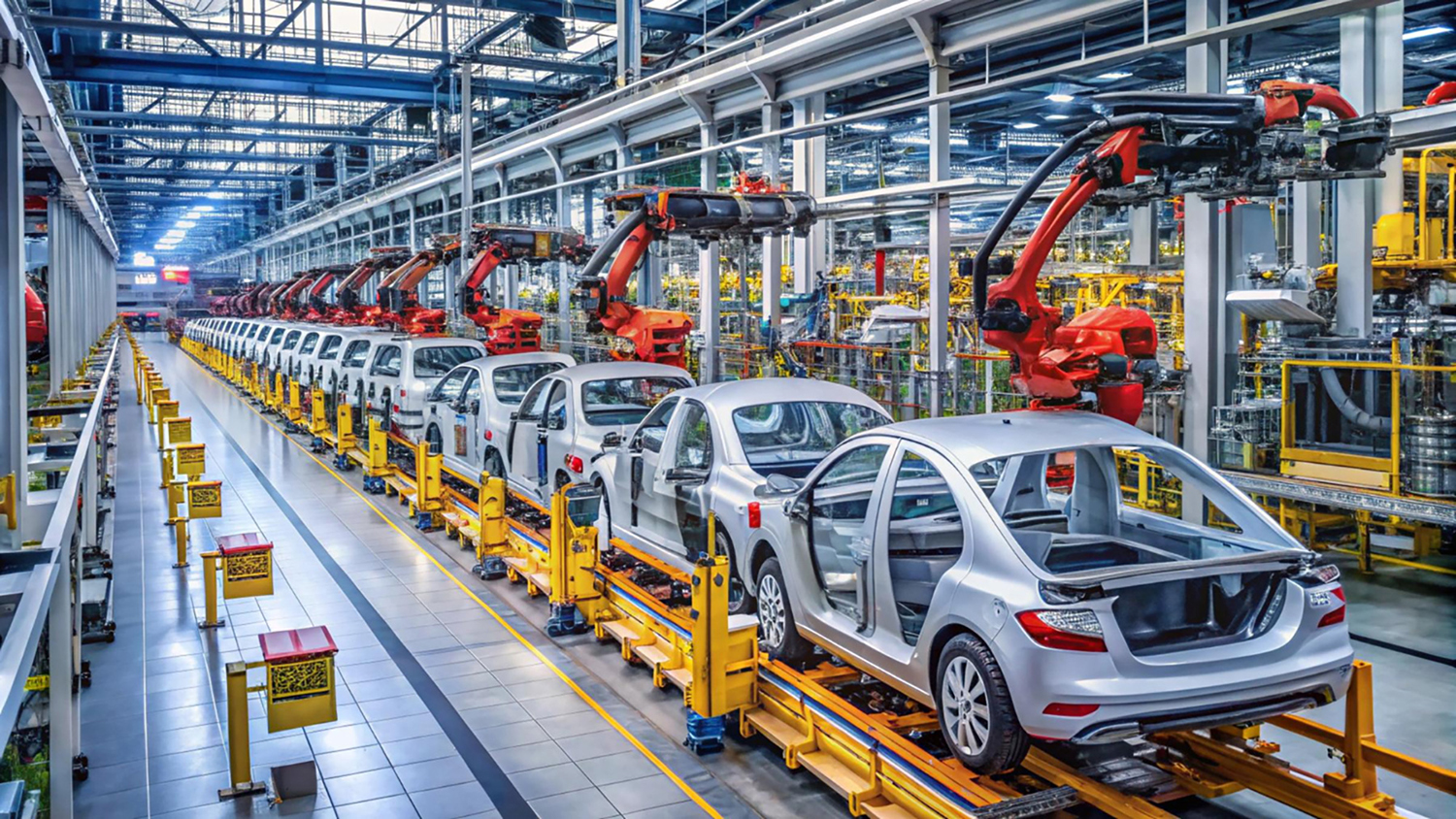
For example, in Automotive paint spraying line requires a continuous supply of fresh air for hygiene and safety reasons. At the same time clean filtered air needs to enter the paint booth without contaminations so that the paint is applied in a manner to get a smooth and glossy finish. The exhaust air from the paint booth will also contain residual paint particles and gas phase contaminants which need to be taken care and addressed.
Another example is the metal related works where the production process faces different levels of contamination related to molecular pollutant fumes, heavy fine and micro-fine dust which causes odor, corrosive reactions and toxic gases which creates threat to personnel and the surrounding environment.
Aeropro addresses and provides filtration solutions related to Automotive Industry which includes: -
- Inlet pre-filtration.
- Car painting line solutions- both for inlet, exhaust and recirculated air filtration
- Heat-resistance cotton
- Printing blocked glass fiber.
- High Dust holding capacity Synthetic and Poly-fiber pocket filter.
- as phase filtration solutions
Due to the application and usage of proper filtration in Automotive industry, Aeropro reminds you of the below advantages – the improvement of final product quality and yield; the protection of staff and personnel health and the reduction of possible complaints by workers; the bringing down of production downtime for servicing and maintenance (thus avoiding financial losses); the opportunity to conserve energy by using energy efficient filters and extending the life span of costly machinery.